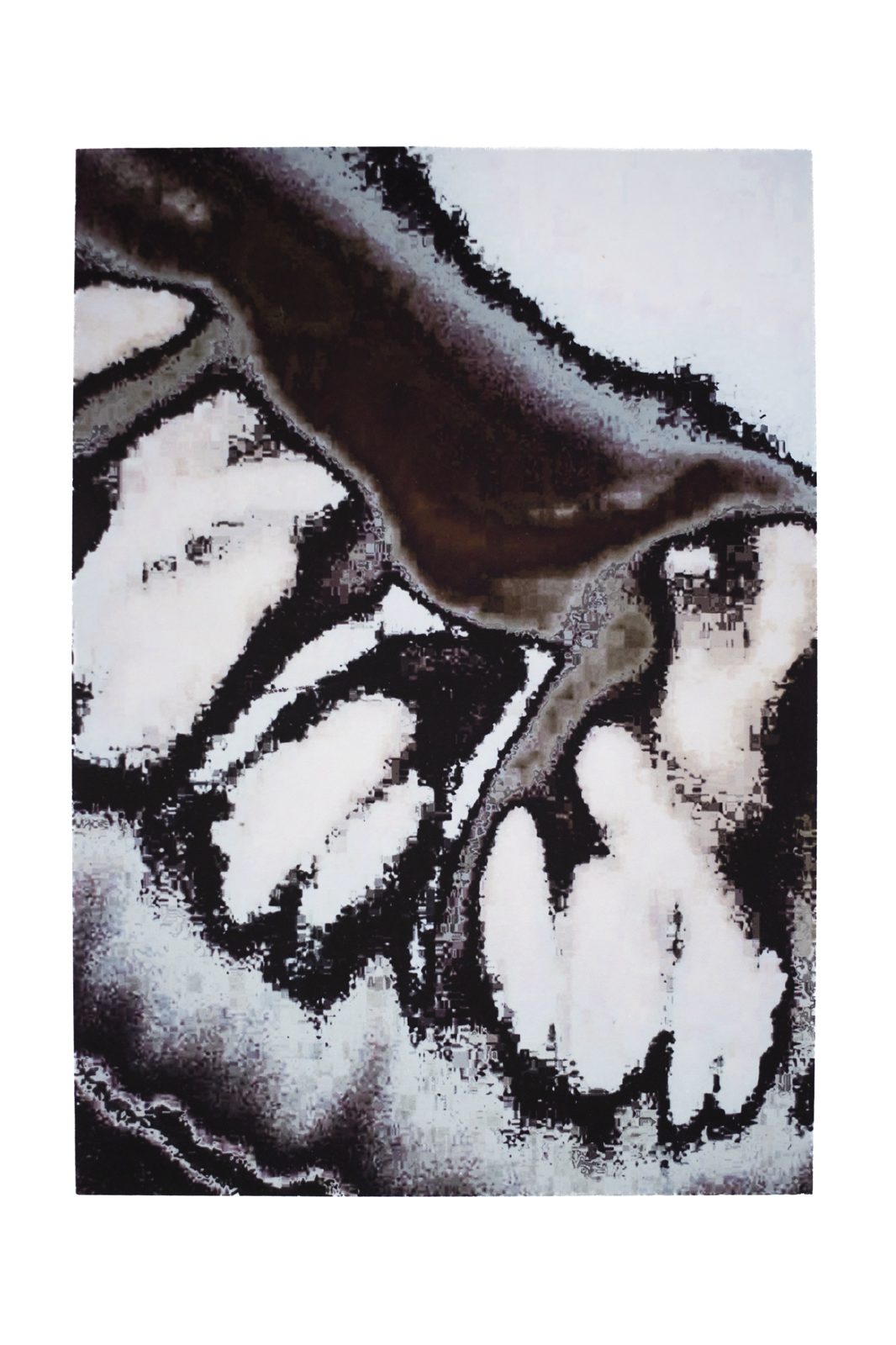
ピーマンの断面、果実の表皮、植物の繊維。見慣れたはずの食べ物が、顕微鏡を通すとまるで見知らぬ惑星の風景のように姿を変える。アーティストのMarietta Hollensteiner(マリエッタ・ホレンシュタイナー)は、デジタル顕微鏡で捉えた食材の微細な構造を、色と構図で再構成した作品を生み出している。その静かな探求の背景には、彼女自身と「食」との長く、個人的な物語があった。
The cross-section of a bell pepper. The skin of a piece of fruit. The fibres of a plant. Under a microscope, the food we know by heart turns into terrain from another planet. Artist Marietta Hollensteiner photographs these microscopic structures with a digital microscope and rebuilds them through colour and composition. Behind her quiet, patient practice lies a long and deeply personal story with food itself.
手でつくることが、いつも喜びだったMaking things by hand
「アーティストへの道は、一本のはっきりした道というより、小さな出来事や経験の積み重ねでした。それが、気づけば同じ場所へとつながっていたんです」
南フランスの古都エクス=アン=プロヴァンスで育った彼女は、幼い頃から屋外で過ごす時間が多かった。森に小屋を建て、自分だけの空想の世界をつくり、大きなキャンバスに顔を描く。手を動かして何かを生み出すことは、いつも心を満たしてくれた。生物の授業で見た顕微鏡の中の細胞にさえ、彼女は「アート」を見出していたという。
通っていた学校は型にはまらない学びに寛容で、創造性を表現する余地がたっぷりあった。その空気は家庭にも通じていた。ディナーパーティーや思いがけない集まりなど、家にはいつも人が集い、互いに刺激し合う雰囲気があった。
“My journey into the world of art feels less like a clear path and more like a series of small events and shaping experiences that have somehow all led to the same destination.”
Hollensteiner grew up in Aix-en-Provence, in the south of France, and spent much of her childhood outdoors. She built a cabin in the woods, invented imaginary worlds and painted large canvases of faces. Creating something with her hands was always satisfying. Even the cells she saw under a microscope in biology class looked like art to her.
Her school was unusually open to alternative ways of learning and left plenty of room for creativity. The same spirit filled her home, where dinner parties and impromptu gatherings created a communal, inspired atmosphere.
遠ざかった芸術と、森の中の静けさLosing art, finding the woods
しかし、ドイツへ戻ったことで状況は変わる。国を移るという大きな変化の中で強いプレッシャーを抱え、彼女は摂食障害を経験した。芸術は少しずつ、生活の背景へと退いていった。
再び自然へと向かうまでには、何年もの時間がかかった。やがて彼女は森の中を走るようになる。そこは安心できる場所だった。
「孤独でシンプルなこと、そして開かれた感覚と、ありのままの畏敬の念に惹かれたんです」
That changed when she moved back to Germany. Under the pressure of moving countries, she developed an eating disorder, and art gradually faded into the background.
It took years before she found her way back to nature. She began running through the woods, a place where she felt safe.
“I was drawn to this solitary simplicity, that feeling of openness and uncensored awe.”
パン生地が教えてくれたことWhat the dough taught her
学校を卒業後、彼女は専門のクリニックで過ごす。その時間の多くを、アート&クラフトのための部屋で過ごした。ものをつくることに再び喜びを見出したことは、彼女自身にとっても驚きだった。
同じ頃、食べ物との関係も少しずつほどけていく。きっかけのひとつは、サワードウブレッドを焼くことだった。生地に触れ、こね、それが膨らみ、変化していく様子を見守る。
「パンとはほとんど親密な関係を築いていきました。アートと食への愛を取り戻せたのは、ある意味でそのプロセスのおかげなんです」
After finishing school, she spent time at a specialist clinic, where most of her hours were spent in a room dedicated to arts and crafts. The joy she found in making things again took her by surprise.
Around the same time, her relationship with food slowly began to improve. She started baking sourdough bread: touching the dough, working it, watching it rise and change.
“Over time, I developed almost an intimate relationship with my bread and, to some extent, I owe my renewed love for the arts and food to that process.”
偶然出会った、一台の顕微鏡A microscope, by chance
転機は約6年前に訪れた。偶然手にしたデジタル顕微鏡が、彼女の世界の見え方を一変させる。肉眼よりもはるかに近くで、ものを見ることができる。ピーマンを覗いたとき、何が現れるかわからない高揚感があった。
「顕微鏡を使ううちに、食べ物を避けたいという感覚が、好奇心や魅了される気持ちへと少しずつ変わっていきました」
彼女は顕微鏡で見た像を撮影し、編集を重ね、色や構図を試しながら、作品が自然に育っていくのに任せた。しっくりくる色のバランスにたどり着くまで、いくつものバージョンを経ることも珍しくないという。
About six years ago, she came across a digital microscope quite by chance. The idea of seeing things far more closely than the naked eye allows fascinated her immediately, along with the excitement of not knowing what would appear when she looked at something as ordinary as a bell pepper.
“Using the microscope slowly transformed my feeling of avoidance towards food into a curiosity and fascination.”
She began capturing what she saw, then editing the images and experimenting with colour and composition, letting each piece develop on its own terms. It often takes many versions before she finds a balance of colour that feels right.

一皿の向こうにある、生きたシステムThe living system behind a meal
彼女の関心は、食べ物そのものだけにとどまらない。それがどこから来て、誰が育て、どう変化し、皿に届くまでにどれほどの時間と労力が注がれているのか。そして、食を通して見えてくる、人間と自然との関係にも目を向ける。
パーマカルチャーのプロジェクトや小さな農場での出会いを通じて、その感覚はより確かなものになった。作物が育つまでにかかる時間、ひとかたまりの土に注がれる手間、健全な生態系がゆっくりと育まれていく過程。それを体感すると、食べ物を単なる「完成品」として見ることは難しくなる。
「一つの野菜の背後には、土、水、光、微生物、植物、人、知恵、労働、そして時間がある。私たちが数分で食べてしまうものの背後に、ひとつの生きたシステムがまるごと存在しているんです」
一方で、彼女は自身の矛盾にも率直だ。日々の暮らしの構造そのものが、食に本当はかけたい時間や余白を奪っていく。丁寧に育てられた地元の食材は、いまだに一部の人のための「贅沢」のように感じられることもある。効率や利便性、スピードに生活が形づくられていると気づきながらも、自分もまたその中にいる。その葛藤を、彼女は隠さない。
特に惹かれているのは、食と生物多様性の関係だ。生命の多様性は私たちと切り離されたものではなく、食べ物を育てることそのものを支えている。土は生きていて、植物は複雑な生態系の中に存在し、農業は目に見えない関係性の上に成り立っている。
Her interest reaches beyond food itself to the stories around it: where it comes from, who grows it, how it changes, and how much time and work goes into it before it reaches our plates. The way we relate to food, she believes, says a great deal about how we live.
Time spent on permaculture projects and small farms made this tangible. Once you have seen how long something takes to grow, how much care goes into a patch of soil, and how slowly a healthy ecosystem develops, it becomes hard to see food as simply a finished product.
“Behind something as simple as a vegetable are soil, water, light, microorganisms, plants, people, knowledge, labour and time. There is an entire living system behind something we consume within a few minutes.”
She is candid about the contradictions, too. Many of the structures of everyday life make it hard to give food the time and space she would like to. Locally produced, carefully grown food can still feel like a luxury available to only some. Even as she grows more aware of how efficiency, convenience and speed shape our days, she admits she is still caught up in them.
She is especially drawn to the relationship between food and biodiversity. The diversity of life is not separate from us; it is what makes growing food possible. Healthy soil is alive, plants exist within intricate ecosystems, and agriculture depends on relationships we rarely see.


少し近くで見るだけで、見慣れたものが本当に驚くべきものに変わる。Sometimes, just looking a little closer turns the familiar into something truly astonishing.
見慣れたものを、もう一度驚きにMaking the familiar astonishing again
とはいえ、彼女は作品でそれらのつながりを説明したり、答えを示したりしたいわけではない。
「大切なのは、そのつながりを“感じる”ための場をつくること。植物や食べ物の小さな構造を可視化して、もう一度私たちの注意を向けたいんです」
ピーマンも、果物も、植物も、私たちにとってはあまりに身近な存在だ。けれど顕微鏡で覗いた瞬間、まったく新しい世界が広がる。ありふれたものを、もう一度奇妙で魅力的なものへと変える。その視点の転換こそが、彼女の実践の核にある。
「私たちのまわりにある生命が、どれほど驚くべきもので、同時にどれほど儚いか。日々目にし、使っているものの中に、どれだけの美しさがあるか。ときには、少し近くで見るだけで、見慣れたものが本当に驚くべきものに変わるんです」
少し立ち止まり、もう少しだけ近くで見る。Marietta Hollensteinerの作品は、そのささやかで豊かな時間へと私たちを誘ってくれる。
Hollensteiner does not set out to explain these connections or offer answers.
“I am much more interested in creating a feeling for them. I want to make the small structures of plants and food visible and give them our attention again.”
A pepper, a piece of fruit or a plant feels completely familiar, until it appears under the microscope and an entirely new world unfolds. Taking something ordinary and letting it become strange and fascinating again is the heart of her practice.
“Perhaps, ultimately, it is about reminding ourselves how incredible and, at the same time, fragile the life around us is.”
Slow down, and look a little closer. Hollensteiner’s work invites us into exactly that small, generous moment.
Profile
Marietta Hollensteiner(マリエッタ・ホレンシュタイナー)
南フランス・エクス=アン=プロヴァンス育ち。デジタル顕微鏡で捉えた食材や植物の微細な構造をもとに、色と構図を再構成した作品を制作している。
Raised in Aix-en-Provence, France. She creates works that reimagine the microscopic structures of food and plants, captured with a digital microscope, through colour and composition.
All artworks © Marietta Hollensteiner